


History & Culture, Wines & Drinks
Understanding Wine Fermentation: Alcoholic, Malolactic and Carbonic Maceration
Wine begins with grapes, but fermentation is what transforms those grapes into something entirely different.
Behind every bottle lies a series of biological and technical choices involving yeasts, bacteria, temperature, oxygen, grape handling, and time. These decisions can influence a wine’s aromas, texture, acidity, structure, and overall personality.
For wine lovers, understanding fermentation is a useful way to look beyond grape varieties and appellations and discover how a winemaker shapes the final wine.
In this guide, we will explore the main fermentation techniques used in winemaking, including alcoholic fermentation, malolactic fermentation, and carbonic maceration, before looking at how these choices connect with producers such as Domaine Le Cazal and the wider French wine tradition.
1. Alcoholic Fermentation: The Transformation from Grape Juice to Wine
What Happens During Alcoholic Fermentation?
Alcoholic fermentation is the fundamental process that turns grape juice into wine.
Yeasts consume the natural sugars present in the grape must, mainly glucose and fructose, and convert them into alcohol, carbon dioxide, heat, and a wide range of aromatic compounds.
In simplified form:
Sugar → Alcohol + Carbon Dioxide + Energy
Without alcoholic fermentation, there is no wine.
Native and Selected Yeasts
Winemakers can approach fermentation in different ways.
Native or indigenous yeasts are naturally present on grapes and within the winery environment. Some producers allow these populations to begin fermentation spontaneously.
Selected yeasts, on the other hand, are deliberately added by the winemaker to encourage a reliable fermentation and achieve particular technical or stylistic objectives.
Neither approach automatically produces a better wine. The choice depends on the fruit, cellar conditions, desired style, and philosophy of the producer.
Why Fermentation Temperature Matters
Temperature is one of the most important tools available to a winemaker during alcoholic fermentation.
Cooler fermentation temperatures are often used for white and aromatic wines because they can help preserve delicate fruit and floral aromas.
Red wines are generally fermented at warmer temperatures because the winemaker also wants to extract colour, tannins, and other compounds from the grape skins.
Techniques such as pumping over or punching down can further influence this extraction.
2. Malolactic Fermentation: Changing the Wine’s Acidity
What Is Malolactic Fermentation?
Despite its name, malolactic fermentation is not primarily a yeast fermentation. It is a bacterial conversion.
Lactic acid bacteria convert sharper malic acid into softer lactic acid, reducing the wine’s perceived acidity. This process can also contribute additional aromatic and textural characteristics.
Why Do Winemakers Use It?
Malolactic fermentation can help:
- soften sharp acidity,
- increase microbiological stability,
- create a rounder mouthfeel,
- and contribute aromas that may include creamy or buttery notes.
It is common in many red wines, while in white wines it is often a deliberate stylistic choice.
Some producers encourage it, while others avoid it to preserve greater freshness and acidity. Champagne itself offers examples of houses that deliberately block malolactic fermentation to retain a fresher profile. :contentReference[oaicite:2]{index=2}
3. Carbonic Maceration: Fermentation Inside the Grape
How Does Carbonic Maceration Work?
Carbonic maceration is a distinctive technique most commonly associated with red wine.
Whole, intact grape clusters are placed in a vessel containing a carbon-dioxide-rich atmosphere.
Instead of fermentation beginning immediately in released grape juice, an intracellular fermentation begins inside the intact berries.
As the process continues, berries eventually break and release juice, after which conventional alcoholic fermentation can continue.
What Does It Change in the Wine?
Carbonic maceration is often associated with wines that emphasize:
- fresh fruit aromas,
- a supple texture,
- lower extraction of harsh tannins,
- and an immediately expressive aromatic profile.
Depending on the grape variety and winemaking choices, aromas can include red berries, flowers, spices, or more distinctive fermentation-derived notes.
However, carbonic maceration should not automatically be equated with simple wine, natural wine, or wine intended only for immediate drinking.
It is simply a technique. The final result depends on the grapes, vineyard, duration of maceration, subsequent fermentation, ageing, and the decisions of the winemaker.
4. Carbonic and Semi-Carbonic Maceration in France
Beaujolais is perhaps the region most closely associated with carbonic and semi-carbonic maceration, particularly through youthful, fruit-driven red wines.
But the technique is not limited to Beaujolais.
It also appears in other French regions, including South-Western France. In Gaillac, for example, the current AOP specification provides for carbonic or semi-carbonic maceration for certain red wines carrying the “primeur” designation. :contentReference[oaicite:3]{index=3}
This is a useful reminder that winemaking techniques do not belong exclusively to one famous region.
Just as the same grape variety can behave differently in different terroirs, the same fermentation technique can produce very different results depending on where and how it is used.
You can discover more about this South-Western French wine region through Domaine In Ventis in Gaillac.
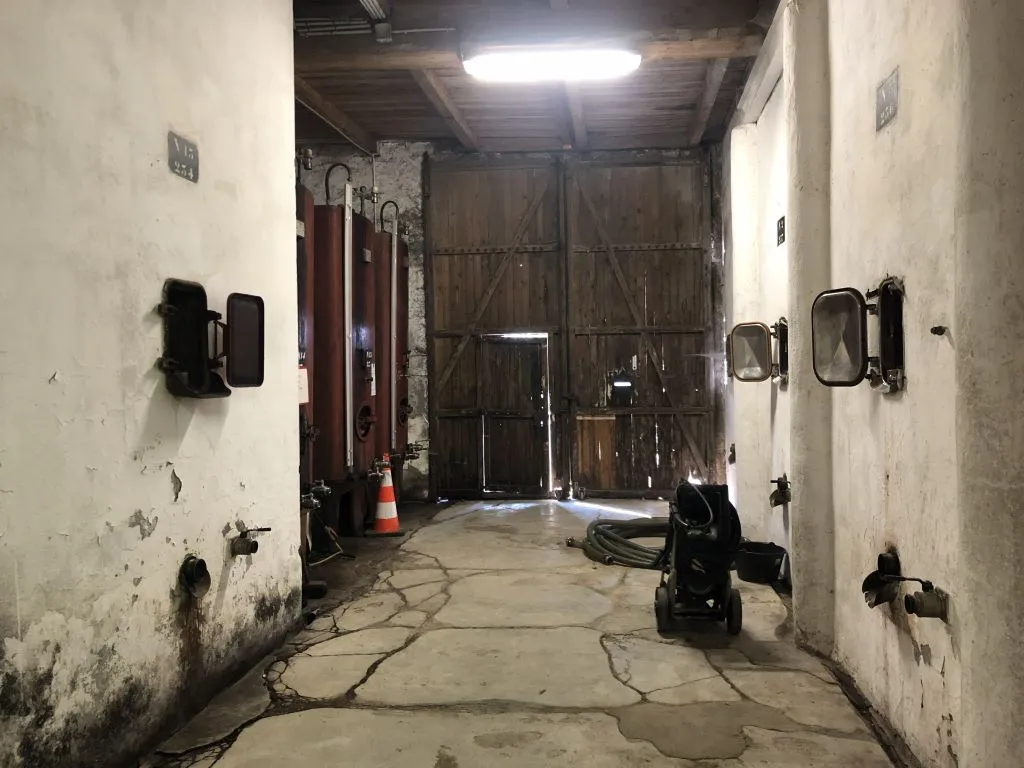
5. Domaine Le Cazal: Carbonic Maceration in Minervois
Domaine Le Cazal is an independent family winery in Minervois whose history dates back to 1850.
Today, Benoît Derroja continues the work of previous generations while developing his own interpretation of the family vineyards.
The estate combines organic viticulture, old vines, detailed vineyard work, and a strong connection to the Mediterranean terroir of Minervois.
Carbonic maceration is one of the techniques used by the domaine for some of its wines.
This is particularly interesting because Le Cazal works with grape varieties such as Carignan and Grenache, whose identity is closely connected to the landscapes and traditional vineyards of Southern France.
Why Use Carbonic Maceration?
For a winemaker, choosing carbonic or semi-carbonic maceration can be a way to emphasize a different side of a grape variety.
Rather than focusing only on extraction and tannic structure, the technique can bring greater attention to fruit, freshness, aromatic expression, and texture.
For old-vine Mediterranean varieties, this can create an interesting dialogue between the concentration naturally provided by mature vines and a vinification technique that seeks a more immediate aromatic expression.
It is another example of how the identity of a wine comes not from a single factor, but from the combination of grape variety, terroir, farming, fermentation, and the choices of the winemaker.
6. Other Fermentation and Winemaking Techniques Worth Knowing
Spontaneous Fermentation
Spontaneous fermentation begins without the deliberate addition of selected commercial yeasts.
Instead, fermentation relies on yeast populations naturally present on the grapes and in the winery.
This approach can be attractive to producers who want fermentation to reflect their own cellar environment, but it also requires careful monitoring because the process can be less predictable.
Barrel Fermentation
Some wines, particularly certain white wines, undergo alcoholic fermentation directly inside oak barrels.
This allows fermentation and oak influence to develop together and can contribute greater texture, structure, and aromatic complexity.
Barrel fermentation should not be confused with simply ageing a finished wine in barrel.
Fermentation in Amphora or Clay Vessels
Clay vessels and amphorae are ancient winemaking tools that have returned to modern cellars.
The vessel itself does not define the fermentation style, but its shape, material, and permeability can influence temperature, oxygen exchange, extraction, and ageing.
Some producers use these vessels for white wines, reds, or skin-contact wines.
Temperature-Controlled Fermentation
Modern temperature-control systems allow winemakers to regulate the heat generated during fermentation.
This is especially useful for aromatic white wines, where preserving freshness and volatile aromas may be a priority.
Temperature control does not make a wine less traditional or less authentic. It is simply another technical tool that can be used carefully or poorly, depending on the producer.
7. Fermentation Is Not the Same as Farming
It is important to distinguish how grapes are grown from how wine is fermented.
An organic wine is produced according to regulated organic farming and winemaking standards. That does not automatically tell you whether the producer uses native yeasts, carbonic maceration, amphorae, or minimal intervention.
Likewise, carbonic maceration does not automatically mean a wine is natural.
If you want to understand the difference between conventional and organic viticulture in more detail, read our guide to conventional and organic wine farming.
8. How Fermentation Shapes What You Taste
When tasting wine, it can be useful to think of fermentation as one layer among many.
The final character of a wine comes from the interaction between:
- the grape variety,
- the vineyard and terroir,
- the vintage,
- the farming method,
- the harvest date,
- the fermentation process,
- the extraction method,
- the ageing vessel,
- and the choices made by the winemaker.
This is why two wines made from the same grape variety can taste completely different.
The grape provides the raw material, but winemaking determines how that material is transformed.
9. Discovering French Wine Through Winemaking
At Yueh’s Choice, we are interested not only in what grape variety appears in a bottle, but also in the people, vineyards, and decisions behind it.
Our French wine selection focuses on organic wines from independent family wineries with strong regional identities.
Understanding techniques such as alcoholic fermentation, malolactic fermentation, or carbonic maceration gives another way to appreciate these wines and understand why each producer develops a distinctive style.
Conclusion: Fermentation as Part of a Wine’s Identity
Fermentation is a biological process, but it is also one of the places where technical knowledge and human choice meet.
Alcoholic fermentation creates wine from grape juice. Malolactic fermentation can reshape acidity and texture. Carbonic maceration can reveal a more fruit-driven and supple expression of red grapes.
None of these methods is inherently better than another.
The important question is how each technique fits the grapes, vineyard, vintage, and vision of the producer.
For wineries such as Domaine Le Cazal, fermentation is one more tool for translating family vineyards and Minervois terroir into wine.
From vineyard to cellar, every decision leaves a trace in the glass.
FAQ – Understanding Wine Fermentation
Do all wines undergo alcoholic fermentation?
Yes. Alcoholic fermentation is the process that converts grape sugars into alcohol and is fundamental to wine production.
Do all red wines undergo malolactic fermentation?
No. It is very common in red winemaking, but it is still a winemaking choice and is not universal.
Does carbonic maceration produce sweet wine?
No. Carbonic maceration can produce intensely fruity aromas that may give an impression of sweetness, but the finished wine can still be completely dry.
Is carbonic maceration the same as natural winemaking?
No. Carbonic maceration is a fermentation technique. It can be used by conventional, organic, or other types of wine producers.
Is organic wine always fermented with native yeasts?
No. Organic certification does not automatically mean spontaneous fermentation or native yeasts only.
Why do some wines develop buttery aromas?
Malolactic fermentation can contribute compounds associated with buttery or creamy aromas, although the final expression also depends on many other winemaking factors.
